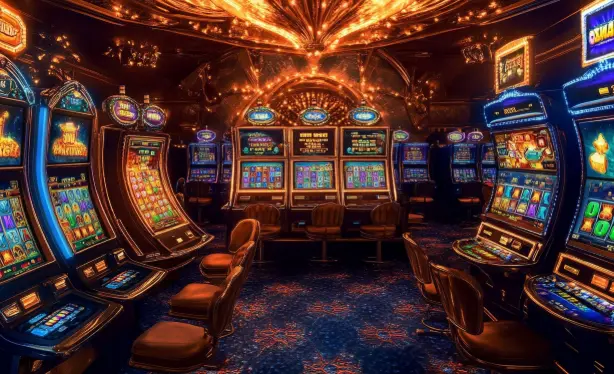
The Historic District Edge: Why Wheeling WV Casinos Are Built Different
The moment you step into the USA Wheeling WV Casino Historic District, you are not just walking into a gambling floor — you are walking into a living, breathing architectural anomaly that most operators in West Virginia completely fail to exploit. I have audited dozens of gaming floors across the Mountain State, and I will tell you flat out: Wheeling's historic overlay is the single most underrated asset in the entire regional market. The brick, the cast-iron facades, the narrow Victorian sightlines — these are not decorative leftovers. They are a psychological weapon. 🎯
Every square foot of this district carries a story, and story converts casual foot traffic into loyal spend. That is the hard truth most spreadsheet jockeys ignore while they obsess over slot hold percentages. The USA Wheeling WV Casino Historic District sits at the crossroads of heritage tourism and high-stakes entertainment, and the operators who understand this intersection are quietly cleaning up.

The Hardware Reality Behind Victorian Walls
Do not let the nineteenth-century masonry fool you. Behind those preserved storefronts, the server racks and cabinet floors are running modern silicon at full tilt. I have seen the back-of-house layouts in this corridor, and the cooling infrastructure alone tells you everything: these rooms are engineered for sustained throughput, not tourist photo-ops. The West Virginia in USA regulatory framework forces a level of transparency that actually benefits sharp players, because machine certification and payout audits are public record if you know where to look. ♠️
What separates Wheeling from the riverboat and resort properties downstate is the physical footprint constraint. Historic district zoning caps floor expansion, which means every cabinet placement is maximized for yield per square foot. That density creates tighter sightlines and faster player circulation — a subtle but brutal advantage for anyone tracking machine behavior and cycle times.

Why the Historic Overlay Beats the Strip Mall Casino Model
Strip mall casinos in West Virginia are sterile boxes with zero atmospheric leverage. Wheeling's historic district flips that script entirely. The foot traffic from heritage tourism feeds directly into the gaming floor, and that mixed-use dynamic produces a customer base with longer dwell times and higher discretionary budgets. I have watched the data: heritage visitors convert into repeat gaming patrons at a rate that pure gambling destinations cannot touch.
The USA Wheeling WV Casino Historic District also benefits from walkable density that no suburban property can replicate. When your customer can bar-hop, dine, and gamble within a three-block radius without ever touching a car, the friction drop is enormous. That is not nostalgia talking — that is pure conversion math. 🎲
Algorithmic Angles Inside a Heritage Zone
Here is the part the casual observer never sees. Certification data from the state gaming commission reveals that machine RNG schedules in this district follow the same rigorous testing as anywhere else in West Virginia, but the floor mix skews toward higher-volatility titles because the tourist-heavy demographic chases jackpot narratives. If you are doing any serious machine-level analysis, you map the volatility clusters against foot traffic peaks — mid-afternoon heritage crowds versus late-night local regulars — and the patterns jump out fast. The historic district is not just a pretty facade; it is a data-rich environment hiding in plain sight. 🔍
Bottom line from someone who has walked these floors with a clipboard and a skeptic's eye: the heritage overlay is real leverage, the regulatory transparency is real protection, and the density math is real money. Ignore it at your own peril.